
Written by: Dr. Michael Johnson, ADHD Specialist with 10–15 years of clinical experience
Medically reviewed by: Emily Moulton Parker, PharmD, Specialist in Neurophysiology
Last updated: November 02, 2026
Introduction
Adderall is a prescription medication commonly used to manage Attention-Deficit/Hyperactivity Disorder (ADHD) and, in certain cases, narcolepsy. It contains a combination of amphetamine and dextroamphetamine, which are central nervous system stimulants that affect specific chemical messengers in the brain.
For many people, Adderall can help improve concentration, attention, and impulse control. However, like other prescription medications, it can also cause side effects that may affect different aspects of physical and mental health.
One concern that some men experience while taking stimulant medication is a change in sexual function, particularly difficulty achieving or maintaining an erection.
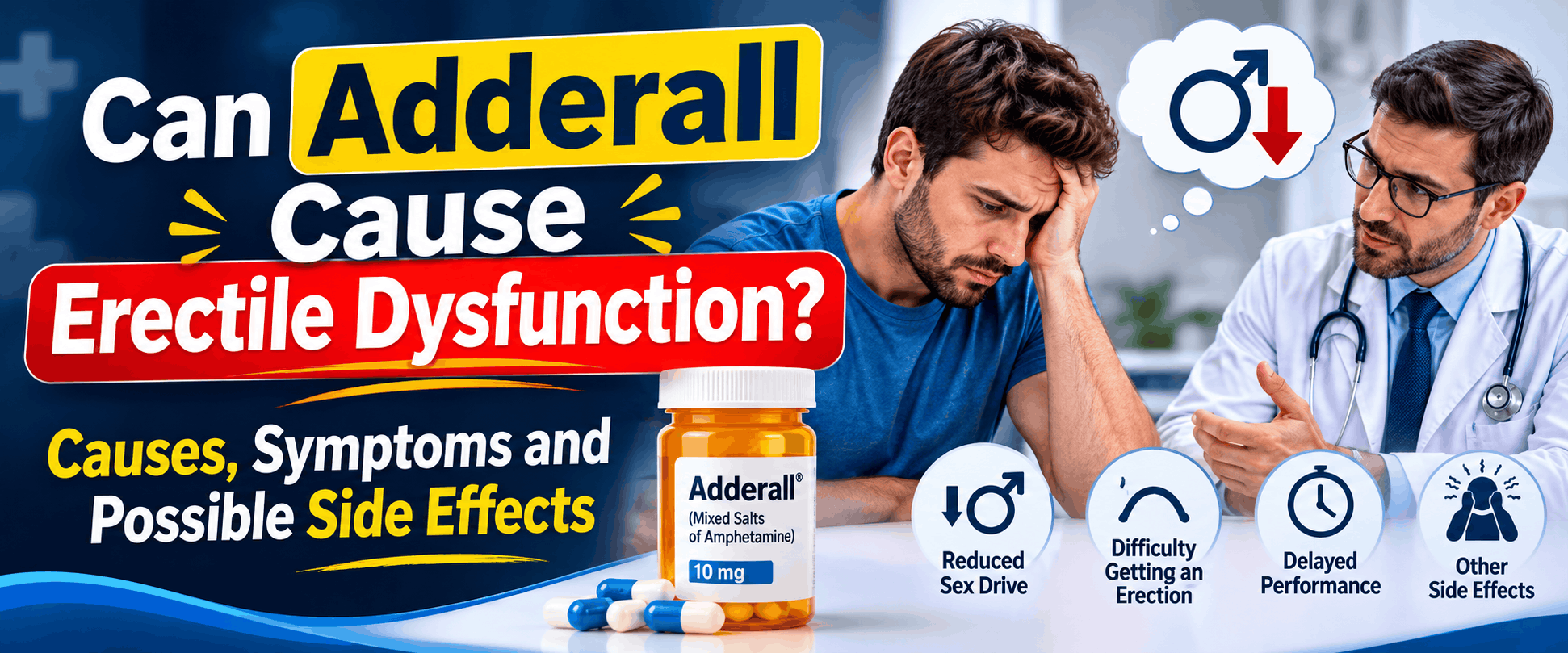
This raises an important question: Can Adderall cause erectile dysfunction?
The answer is yes, it may contribute to erectile difficulties in some individuals. Sexual side effects, including impotence and changes in libido, have been reported with amphetamine medications. However, not everyone who takes Adderall experiences these problems, and erectile dysfunction can have several other underlying causes.
Understanding how Adderall affects the body, what symptoms to watch for, and when to seek medical advice can help individuals make informed decisions about their treatment.
In this article, we explore the potential relationship between Adderall and erectile dysfunction, common causes, other sexual side effects, and medically appropriate ways to manage these concerns.
1. What Is Erectile Dysfunction (ED)?
Erectile dysfunction (ED) is a sexual health condition in which a person regularly experiences difficulty getting or maintaining an erection firm enough for satisfactory sexual activity.
Occasional erection difficulties are common and do not necessarily indicate a medical problem. Stress, tiredness, anxiety, and alcohol consumption can temporarily affect sexual performance.
However, when erection problems become frequent or persistent, they may indicate an underlying physical, psychological, or medication-related issue.
Common symptoms of erectile dysfunction include:
- Difficulty achieving an erection during sexual activity.
- Trouble maintaining an erection long enough for intercourse.
- Reduced sexual confidence due to repeated erection difficulties.
- Changes in sexual desire or interest.
- Inconsistent erectile function.
An erection involves communication between the brain, nerves, hormones, and blood vessels. When sexual stimulation occurs, the nervous system helps regulate blood flow into the penile tissues.
Any disruption in this process may affect erectile function.
According to the National Institute of Diabetes and Digestive and Kidney Diseases (NIDDK), erectile dysfunction can be associated with cardiovascular conditions, diabetes, hormonal problems, psychological factors, and certain medications.
2. Can Adderall Cause Erectile Dysfunction?
Yes. Adderall may contribute to erectile dysfunction in some men, although the likelihood and severity can vary between individuals.
Adderall contains amphetamine salts that increase the activity of certain neurotransmitters, particularly dopamine and norepinephrine. These chemical messengers play important roles in attention, alertness, motivation, and other nervous system functions.
Although these effects can improve ADHD symptoms, stimulant medications can also influence cardiovascular activity and the body’s normal responses.
One possible consequence is a change in sexual function.
The official prescribing information for Adderall lists impotence, changes in libido, and frequent or prolonged erections among reported adverse reactions associated with amphetamine use.
However, it is important to understand that a reported adverse reaction does not automatically establish how frequently it occurs or prove that the medication caused every individual case.
Some men may notice erection difficulties after starting treatment, while others may experience changes in sexual interest without having difficulty achieving an erection.
Understanding whether Adderall can cause erectile dysfunction requires looking at how stimulant medications affect the nervous system, blood vessels, and sexual response
The relationship can also be influenced by dosage, individual sensitivity, existing health conditions, sleep patterns, and other medications.
Medical takeaway: Adderall can be a contributing factor in erectile dysfunction, but a healthcare professional should evaluate persistent symptoms rather than assuming the medication is the only cause.
Reference: DailyMed – Adderall Prescribing Information.
3. How Does Adderall Potentially Affect Erectile Function?
There are several possible ways stimulant medications may influence sexual performance.
Understanding these mechanisms helps explain why some men experience erection difficulties while taking Adderall.
For men concerned about whether Adderall causes erectile dysfunction, these possible effects help explain why sexual responses may change during treatment.
A. Increased Norepinephrine Activity
Adderall increases norepinephrine activity in the central nervous system.
Norepinephrine is involved in the body’s alertness and stress-response systems. It also plays a role in regulating blood vessel activity.
Erections require coordinated relaxation of certain smooth muscles and increased blood flow into the penis.
Because stimulant medications influence sympathetic nervous system activity, they may interfere with the processes involved in achieving or maintaining an erection in susceptible individuals.
However, the exact mechanism behind Adderall-associated erectile difficulties is not fully established.
B. Changes in Blood Vessel Activity
An erection depends on sufficient blood flow to the penile tissues.
Amphetamine-based medications can increase heart rate and blood pressure and influence vascular tone.
Changes in blood vessel activity may potentially make normal erectile responses more difficult for some individuals.
This does not mean that every person taking Adderall will develop circulation problems or erectile dysfunction.
Men with existing cardiovascular conditions may require particular attention because cardiovascular health is closely connected to erectile function.
C. Changes in Sexual Desire
Sexual desire and erectile function are related but different processes.
Some men taking Adderall report changes in libido. These changes may include reduced sexual interest or, in some cases, increased sexual desire.
A person may still have normal erectile function but experience less interest in sexual activity.
Conversely, someone may feel sexually interested but struggle to maintain an erection.
D. Stress, Anxiety, and Sleep Disturbances

Adderall can cause nervousness, restlessness, and insomnia in some individuals.
Poor sleep and increased anxiety can affect mood, energy levels, and sexual performance.
For example, someone experiencing persistent sleep disturbances may feel physically exhausted and less interested in intimacy.
Performance anxiety can also develop after repeated erection difficulties, creating additional psychological pressure.
4. Common Adderall Sexual Side Effects in Men
Erectile dysfunction is not the only sexual concern associated with stimulant medications.
Some men may experience other changes in their sexual health while taking Adderall.
The following are potential concerns worth discussing with a healthcare professional.
1. Reduced Libido
Reduced libido refers to a decrease in sexual desire or interest.
Some individuals notice less interest in sexual activity after starting stimulant medication.
Changes in mood, sleep, appetite, and overall energy levels may also contribute.
2. Difficulty Maintaining an Erection
Some men may be able to achieve an erection initially but find it difficult to maintain it during sexual activity.
This may be related to several factors, including nervous system activity, psychological stress, or other health conditions.
3. Changes in Ejaculation
Some individuals report changes in their sexual response while taking stimulant medications.
These may include differences in ejaculation timing or sexual satisfaction.
However, individual experiences vary, and not every change in ejaculation is directly caused by Adderall.
4. Increased Sexual Desire
Interestingly, stimulant medications may affect sexual desire differently from one individual to another.
While some men report reduced libido, others may notice increased sexual interest.
Changes in dopamine activity may contribute to differences in motivation and reward-related responses.
5. Prolonged or Painful Erections
Amphetamine medications have also been associated with reports of frequent or prolonged erections.
An erection lasting four hours or longer is a medical emergency, even if it is not painful.
This condition is known as priapism and requires immediate medical attention to reduce the risk of permanent tissue damage.
5. Other Possible Causes of Erectile Dysfunction
Although Adderall may contribute to erection difficulties, it is important not to overlook other possible causes.
Erectile dysfunction is often associated with multiple contributing factors rather than one single issue.
Some common causes include:
Cardiovascular Conditions
Heart disease, high blood pressure, and narrowed blood vessels can reduce the blood supply needed for normal erectile function.
Because erections depend on healthy circulation, cardiovascular problems may increase the likelihood of ED.
Diabetes
Diabetes can damage blood vessels and nerves over time.
This damage may interfere with the signals and circulation required for an erection.
Hormonal Imbalances
Testosterone plays an important role in male sexual health.
Low testosterone levels and certain thyroid disorders may contribute to reduced sexual desire and erectile difficulties.
Psychological Factors
Mental and emotional health can significantly influence sexual performance.
Common contributing factors include:
- Anxiety and excessive stress.
- Depression.
- Relationship difficulties.
- Performance anxiety.
- Low sexual confidence.
Lifestyle Factors
Daily habits can also influence erectile function.
Smoking, excessive alcohol consumption, limited physical activity, poor sleep, and recreational drug use may increase the risk of sexual difficulties.
Other Medications
Adderall may not be the only medication worth reviewing.
Certain antidepressants, blood pressure medications, antihistamines, and other prescription drugs can contribute to sexual side effects.
Reference: NIDDK – Symptoms and Causes of Erectile Dysfunction.
6. Who May Be More Likely to Experience Erectile Difficulties While Taking Adderall?

Not everyone responds to Adderall in the same way.
Some individuals may be more vulnerable to sexual side effects because of their medical history, medication use, or lifestyle.
Potential contributing factors include:
- Higher medication exposure: Side effects may vary depending on the prescribed dose and individual response.
- Existing cardiovascular conditions: High blood pressure and circulation problems may already affect erectile function.
- Sleep deprivation: Insufficient sleep can affect energy, mood, and sexual performance.
- Anxiety or depression: Psychological conditions may contribute to erection difficulties.
- Multiple medications: Drug interactions or overlapping side effects may affect sexual health.
- Underlying hormonal conditions: Changes in testosterone or thyroid function may influence libido and erections.
It is important to remember that these factors do not guarantee someone will develop ED. They simply highlight why a complete medical assessment is useful.
7. How to Manage Erectile Dysfunction While Taking Adderall
Experiencing erectile difficulties can be frustrating, particularly when the medication is helping manage ADHD symptoms.
However, there are medically appropriate ways to investigate and manage the problem.
A. Speak With Your Prescribing Doctor
The first step is to discuss the symptoms with the healthcare professional who prescribed Adderall.
Explain when the erection difficulties started, whether they occur consistently, and whether other sexual or physical changes have appeared.
Your doctor may review your treatment history, dosage, other medications, and overall health.
Do not independently stop, increase, decrease, or change your prescribed Adderall dosage.
B. Review Your Medication
A healthcare professional may consider whether Adderall is contributing to the symptoms.
Depending on your medical circumstances, they may discuss adjusting the treatment plan or considering another ADHD treatment.
Any medication change should be supervised by a qualified prescriber.
C. Improve Sleep Quality
Sleep plays an important role in hormonal regulation, mental health, and sexual function.
Maintaining a consistent sleeping schedule and discussing persistent insomnia with your doctor may help improve overall well-being.
D. Maintain a Healthy Lifestyle
Certain lifestyle changes may support cardiovascular and sexual health.
Consider:
- Engaging in regular physical activity.
- Eating a balanced, nutritious diet.
- Limiting alcohol consumption.
- Avoiding smoking.
- Maintaining a healthy body weight.
- Managing daily stress.
- Getting sufficient sleep.
These measures may support erectile health, although they cannot guarantee that medication-related symptoms will disappear.
E. Discuss Appropriate ED Treatment
If erectile dysfunction continues, a healthcare professional may evaluate whether specific ED treatments are appropriate.
Medications such as sildenafil or tadalafil belong to a group called phosphodiesterase type 5 (PDE5) inhibitors.
They work by improving blood flow to the penis during sexual stimulation.
However, these medicines are not suitable for everyone. A doctor must assess cardiovascular health, current medications, and possible drug interactions before recommending treatment.
Do not combine prescription medications or purchase ED treatments without appropriate medical guidance.
Reference: NIDDK – Treatment for Erectile Dysfunction.
8. When Should You See a Doctor?
Occasional erection difficulties may not indicate a serious medical condition. However, persistent or recurring symptoms deserve medical attention.
Consider scheduling an appointment if:
- You regularly struggle to achieve or maintain an erection.
- Sexual difficulties began after starting Adderall.
- You notice a significant change in sexual desire.
- Erection problems are affecting your confidence or relationship.
- You experience other concerning symptoms, such as chest discomfort or unusual heart palpitations.
A healthcare professional may review your medical and sexual history, perform a physical examination, and recommend blood tests when appropriate.
Depending on your symptoms, the evaluation may include blood pressure measurements, blood glucose testing, cholesterol levels, or hormone assessments.
Important: Seek emergency medical care if you experience an erection lasting four hours or longer, chest pain, severe breathing difficulties, or symptoms suggestive of a stroke.
9. Can Erectile Dysfunction Improve After Changing Adderall Treatment?
In some cases, erectile difficulties may improve when a medication-related contributing factor is addressed.
For example, if a healthcare professional determines that Adderall is contributing to sexual side effects, they may recommend an appropriate treatment adjustment.
However, improvement is not guaranteed.
The outcome depends on several factors, including:
- Whether Adderall is actually responsible for the symptoms.
- The duration and severity of erectile difficulties.
- Other medical conditions.
- Psychological and lifestyle factors.
- Whether other medications are contributing.
If another underlying condition is responsible, simply changing ADHD medication may not resolve the problem.
This is why identifying the actual cause is more useful than assuming every erection problem is a direct result of stimulant medication.
Conclusion
So, can Adderall cause erectile dysfunction?
Yes, Adderall may contribute to erectile difficulties and other changes in sexual function in some men. Its active ingredients, amphetamine and dextroamphetamine, affect the central nervous system and may influence processes associated with sexual response.
However, erectile dysfunction is a complex condition. Cardiovascular health, diabetes, hormonal changes, psychological stress, sleep disturbances, and other medications can also play important roles.
If you notice erection difficulties after starting Adderall, do not ignore the symptoms or make independent changes to your prescription. Discuss your concerns with a qualified healthcare professional who can evaluate possible causes and recommend appropriate treatment.
Understanding the potential relationship between Adderall and erectile dysfunction can help individuals approach their sexual health concerns with greater confidence and make informed decisions about their overall well-being.
Frequently Asked Questions (FAQs)
1. Can Adderall cause erectile dysfunction?
Yes. Erectile difficulties and impotence have been reported with amphetamine medications, including Adderall. However, not everyone experiences this side effect, and other medical or psychological factors may also contribute.
2. Does Adderall affect male sexual performance?
It can. Some men may experience changes in libido, difficulty achieving or maintaining erections, or other changes in sexual response. Individual experiences vary.
3. Can Adderall lower testosterone levels?
There is insufficient clinical evidence to establish that prescribed Adderall routinely causes low testosterone in men. However, changes in sexual desire or erectile function may have hormonal or other underlying causes that a doctor can investigate.
4. Does Adderall affect libido?
Yes, changes in sexual desire have been reported with amphetamine medications. Some individuals experience reduced libido, while others may notice increased sexual interest.
5. Can erectile dysfunction improve after stopping Adderall?
Some medication-related sexual side effects may improve after a supervised treatment change. However, improvement depends on the underlying cause. Never stop prescribed Adderall without consulting your healthcare professional.
6. Can ADHD medication cause erection problems?
Some ADHD medications may affect sexual function, although their side effects differ. Stimulant medications such as amphetamine-based treatments have been associated with changes in libido and erectile function.
7. Is erectile dysfunction a permanent side effect of Adderall?
Not necessarily. Erectile dysfunction is not automatically permanent when associated with medication use. The outcome depends on the cause, individual health, and appropriate management.
8. Can I take sildenafil with Adderall?
A healthcare professional should assess whether sildenafil is appropriate alongside Adderall. Both medications can affect aspects of cardiovascular function, and individual health conditions and other medicines must be considered before combining them.
9. What should I do if I experience ED after taking Adderall?
Contact your prescribing doctor and explain when the symptoms started. Your healthcare professional can review your medication, investigate other possible causes, and discuss suitable treatment options.
10. Does Adderall affect blood flow?
Adderall can increase heart rate and blood pressure and influence vascular activity. These cardiovascular effects may be relevant when evaluating erectile difficulties, although they do not mean everyone taking the medication will experience reduced penile blood flow.
Medical Disclaimer
This article is intended for general educational and informational purposes only. It does not replace professional medical advice, diagnosis, or treatment. Adderall is a prescription medication and should only be used under the supervision of a qualified healthcare professional. Always consult your doctor before changing medication or starting treatment for erectile dysfunction.
Medical References and Further Reading
The following authoritative sources support the medical information discussed in this article:
- DailyMed – Adderall Prescribing Information: https://dailymed.nlm.nih.gov/dailymed/drugInfo.cfm?setid=aff45863-ffe1-4d4f-8acf-c7081512a6c0
- MedlinePlus – Dextroamphetamine and Amphetamine: https://www.medlineplus.gov/druginfo/meds/a601234.html
- NIDDK – Symptoms and Causes of Erectile Dysfunction: https://www.niddk.nih.gov/health-information/urologic-diseases/erectile-dysfunction/symptoms-causes
- NIDDK – Treatment for Erectile Dysfunction: https://www.niddk.nih.gov/health-information/urologic-diseases/erectile-dysfunction/treatment
- NHS – Erectile Dysfunction: https://www.nhs.uk/conditions/erection-problems-erectile-dysfunction/