
Written by: Dr. Michael Johnson, ADHD Specialist with 10–15 years of clinical experience
Medically reviewed by: Emily Moulton Parker, PharmD, Specialist in Neurophysiology
Last updated: October 25, 2026
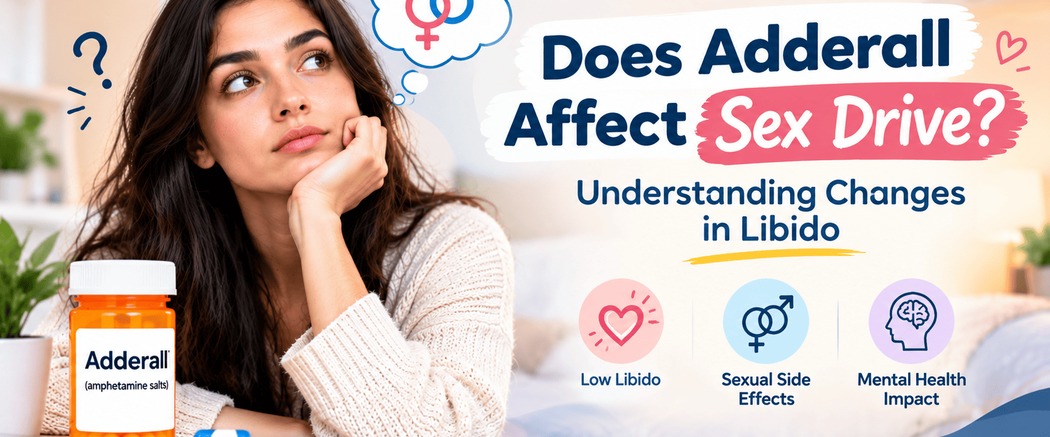
Adderall and after sex drive can be affected differently from person to person. Some people notice changes in sexual desire while taking this medication, while others do not.
Changes in sexual desire can happen at different stages of life, and several factors may contribute to them. Stress, sleep quality, emotional well-being, relationship concerns, and certain medications can all influence libido. For people taking Adderall, a change in sexual interest may lead to questions about whether their medication is responsible.
Adderall is a prescription medication used to treat attention-deficit/hyperactivity disorder (ADHD). Although it can help manage attention and concentration difficulties, it may also cause side effects that affect sleep, appetite, mood, and other aspects of daily life. Some people report changes in sexual desire or function during treatment, while others notice no difference.
Understanding the connection between Adderall and sex drive can help people recognize possible medication-related changes and discuss them confidently with a healthcare professional. This guide explores changes in libido, possible contributing factors, common concerns, and practical steps for maintaining overall well-being.
What Is Adderall and How Does It Work?
Adderall contains amphetamine salts that affect chemical messengers in the brain, particularly dopamine and norepinephrine. These chemicals contribute to attention, motivation, alertness, and other functions involved in everyday activities.
For people with ADHD, treatment may help improve concentration and reduce certain symptoms. However, individual responses vary, and the medication can also affect appetite, sleep, heart rate, and mood.
Because these effects differ between individuals, Adderall side effects may also vary. Some people notice changes in their energy or emotional state, while others may experience concerns involving sexual desire or physical sexual function.
It is important to remember that a change in libido does not automatically mean Adderall is the cause. A healthcare professional can help assess medication effects alongside other possible explanations.
Does Adderall Affect Sex Drive?

Yes, Adderall may affect sexual desire in some people, although the effects are not the same for everyone. Some individuals report an increase in libido, others notice a decrease, and many experience no meaningful change.
The relationship between Adderall and libido is complex. The medication affects brain chemistry and can influence sleep, mood, and physical comfort, all of which may contribute to sexual well-being.
It is also useful to distinguish between libido and sexual function. Libido refers to interest in sexual activity, whereas sexual function includes physical arousal, erectile function, lubrication, orgasm, and other bodily responses. A person may experience changes in one area without noticing changes in another.
Research specifically examining libido changes among people taking Adderall remains limited. Therefore, it is best to consider individual symptoms and discuss persistent concerns with a qualified healthcare professional rather than assuming a particular outcome.
Why Might Adderall Change Libido?
Several factors may explain why someone notices a change in sexual desire while taking prescription stimulant medication.
1. Changes in Brain Chemistry
Dopamine plays a role in motivation, reward, and sexual interest. Adderall affects dopamine and norepinephrine activity, which may influence sexual desire in some individuals.
However, brain chemistry does not determine libido on its own. Sexual interest also depends on physical health, emotional well-being, personal circumstances, and relationship dynamics.
For this reason, changes in sexual desire while taking Adderall can differ considerably from person to person.
2. Sleep Problems and Low Energy
Sleep quality is an important part of sexual health. Adderall may cause difficulty sleeping in some people, particularly when medication effects interfere with their usual sleep schedule.
Insufficient rest can contribute to fatigue, irritability, and reduced interest in intimacy. A person who feels tired throughout the day may have less energy for activities that normally feel enjoyable.
If sleep difficulties and reduced libido begin around the same time, keeping track of these changes can help a healthcare professional evaluate possible contributing factors.
3. Mood Changes and Anxiety
Some people experience nervousness, restlessness, or irritability while taking stimulant medication. These effects may influence emotional comfort and make it harder to relax during intimate moments.
Stress and anxiety can also affect sexual interest independently of medication. Work responsibilities, family concerns, relationship difficulties, and everyday pressures may all contribute.
If mood changes occur alongside a noticeable difference in libido, discuss both concerns with your prescriber.
4. Appetite Changes and Physical Well-Being
Adderall can reduce appetite in some people. If a person regularly eats too little or experiences unintended weight changes, they may also notice lower energy or changes in general well-being.
Nutrition is only one part of sexual health, but consistent meals and adequate nourishment support normal bodily functions.
Persistent appetite changes, fatigue, or other physical symptoms should be discussed with a healthcare professional rather than addressed through unsupervised medication adjustments.
5. Relationship and Emotional Factors
Sexual desire is influenced by more than medication. Emotional connection, communication, personal confidence, stress, and relationship satisfaction can all affect interest in intimacy.
For example, a person experiencing demanding workdays or ongoing relationship tension may notice reduced libido even if their medication has not changed.
Considering these broader factors can help prevent unnecessary assumptions about the relationship between Adderall and sexual health.
Can Adderall Increase Sex Drive?
Some people report an increase in sexual interest while taking Adderall. This may coincide with changes in attention, motivation, energy, or individual responses to treatment.
However, increased libido is not a predictable effect, and it should not be considered a sign that a medication is working better. A person’s response depends on several factors, and the evidence does not establish that Adderall consistently increases sexual desire.
A sudden or disruptive increase in sexual interest deserves attention, especially if it occurs alongside unusually elevated mood, racing thoughts, impulsive behavior, or a reduced need for sleep.
These symptoms may require prompt medical assessment. Contact a healthcare professional to discuss the changes, particularly if they are affecting daily life or relationships.
Can Adderall Decrease Sex Drive?
Yes, some people experience reduced sexual desire while taking Adderall. This can be frustrating when it affects emotional closeness, confidence, or a relationship.
Possible contributing factors include sleep disruption, anxiety, mood changes, fatigue, and other medication-related effects. Underlying health conditions and personal circumstances may also play a role.
If you notice low libido while taking Adderall, consider when the change began and whether other symptoms appeared around the same time. A change following the start of treatment or a prescribed dose adjustment is useful information to share with your clinician.
Reduced libido does not automatically mean that the medication is responsible. A healthcare professional can review your symptoms and medical history to identify possible causes and discuss appropriate options.
Adderall and Sexual Function: Understanding the Difference

A change in sexual desire is not the same as a change in physical sexual function. Understanding this distinction can make conversations with a healthcare professional more productive.
Some individuals may experience difficulty with arousal, erectile function, lubrication, orgasm, or genital sensation. Others may have a change in desire without any noticeable physical difficulty.
Stimulant medication can affect the cardiovascular and nervous systems, and some people report sexual-function concerns during treatment. However, the precise relationship varies, and other medical, psychological, and medication-related factors may contribute.
If you experience persistent sexual-function changes, explain your symptoms to your healthcare professional. Avoid starting supplements or other medications to address the problem without checking whether they are appropriate for you.
How Long Can Libido Changes Last?
There is no universal timeline for Adderall-related sexual side effects. Some effects may appear after treatment begins or following a prescribed dose change. Others may persist or have a different underlying cause.
Keeping a simple record can help you recognize patterns. You might note:
- When you take your prescribed
- Whether your sleep quality has
- Any noticeable changes in mood or
- When changes in sexual desire first
- Whether the symptoms are occasional or
This information may help your clinician assess whether the timing suggests a possible medication-related effect.
Do not change your prescribed dose, skip doses, or stop treatment simply to test whether your libido improves. Speak with your prescriber before making medication changes.
What Can You Do if Adderall Affects Your Sex Drive?
If you are concerned about changes in sexual desire, several practical steps can help you prepare for a useful conversation with your healthcare professional.
Talk to Your Prescribing Clinician
Explain what has changed, when the symptoms began, and how they affect your daily life or relationships. Mention any other symptoms, including sleep difficulties, appetite changes, anxiety, or mood changes.
Your clinician can review whether Adderall may be contributing and consider other potential causes. Depending on your circumstances, they may discuss treatment adjustments or alternative approaches.
Honest communication is particularly important when a side effect affects quality of life. Sexual health is a legitimate part of medical care, and you should feel comfortable raising concerns.
Maintain a Consistent Sleep Routine
A regular sleep schedule may help support energy, mood, and general well-being. Try to maintain consistent bedtimes and wake times, and discuss ongoing sleep difficulties with your prescriber.
Better sleep cannot guarantee that medication-related libido changes will resolve, but addressing sleep problems may help clarify which factors are contributing.
Support Your General Health
Regular physical activity, balanced meals, adequate hydration, and time to relax can support overall health.
These habits are not a substitute for medical evaluation, especially when symptoms began after starting a medication. However, they may help address lifestyle factors that contribute to fatigue, stress, and reduced interest in intimacy.
Review Other Medications
Some antidepressants, hormonal treatments, and other medications can affect sexual desire or function. Health conditions may also contribute to changes in libido.
Provide your healthcare professional with an accurate list of medications and supplements you take. This can help them assess possible interactions and determine whether another factor may be responsible.
Avoid Unsupervised Medication Changes
Do not increase, decrease, or discontinue Adderall without medical guidance. Taking more than prescribed can increase the risk of serious side effects, while changing treatment without a plan may make symptoms harder to manage.
A healthcare professional can help you weigh the benefits of ADHD treatment against unwanted effects and determine the most appropriate next step.
When Should You Seek Medical Advice?
Consider arranging a medical appointment if changes in libido are persistent, distressing, or affecting your relationships. You should also discuss symptoms that appear after starting Adderall or changing your prescribed dose.
Seek prompt medical advice if you experience significant mood changes, persistent sexual-function difficulties, or other concerning symptoms.
Severe chest pain, fainting, or other serious symptoms require urgent medical assessment. A painful erection lasting four hours or longer is a medical emergency and requires immediate treatment.
Early communication can help identify potential causes and prevent unnecessary disruption to your treatment or personal life.
Frequently Asked Questions About Adderall and Libido
Does Adderall affect sex drive in everyone?
No. Some people report increased sexual interest, some report decreased interest, and others notice no significant change. Individual responses depend on medication effects and other personal health factors.
Can a lower prescribed dose improve libido?
A clinician-guided treatment adjustment may help in some circumstances, but the outcome depends on the cause of the symptoms. Never change your dose without discussing it with your prescriber.
Can ADHD itself affect sexual desire?
ADHD-related challenges, including attention difficulties, emotional regulation, stress, and relationship dynamics, may influence intimacy for some people. However, the effects vary, and sexual desire is influenced by many factors.
Should I stop taking Adderall if my sex drive changes?
Do not stop or adjust prescribed treatment without medical guidance. Discuss the change with your prescriber so they can evaluate potential causes and review appropriate options.
Does a change in libido mean Adderall is not suitable for me?
Not necessarily. A change in sexual desire alone does not determine whether a treatment is appropriate. Your healthcare professional can help evaluate the benefits of treatment, the severity of the side effects, and possible alternatives.
Can Adderall affect sex drive?
Yes, Adderall may be associated with changes in sexual desire or sexual function in some people. The effects vary, so consult your healthcare professional if you notice a change.
Final Thoughts
Adderall may affect sex drive in different ways. Some people notice increased sexual interest, while others experience reduced desire or changes in sexual function. Sleep quality, emotional well-being, stress, other medications, and underlying health conditions may also contribute.
If you notice a change in libido, pay attention to when it began and whether other symptoms appeared around the same time. Discuss your concerns with a qualified healthcare professional instead of making medication changes on your own.
Understanding the connection between Adderall, libido, and sexual health can help you make informed decisions about treatment while protecting your overall well-being. Open communication, an accurate understanding of possible side effects, and appropriate medical guidance are important steps toward finding a treatment approach that meets your individual needs.
Medical disclaimer: This article is for educational purposes only and does not replace professional medical advice, diagnosis, or treatment. Consult a qualified healthcare professional about individual symptoms and medication concerns.